

ARC Regulatory was in the process of launching their new software-as-a-service (SAAS) platform, the ARC360 Regulatory Navigator. The platform allows medical researchers, performing clinical studies, to ensure that their research complies with the various regulations in the countries that the studies are performed in.
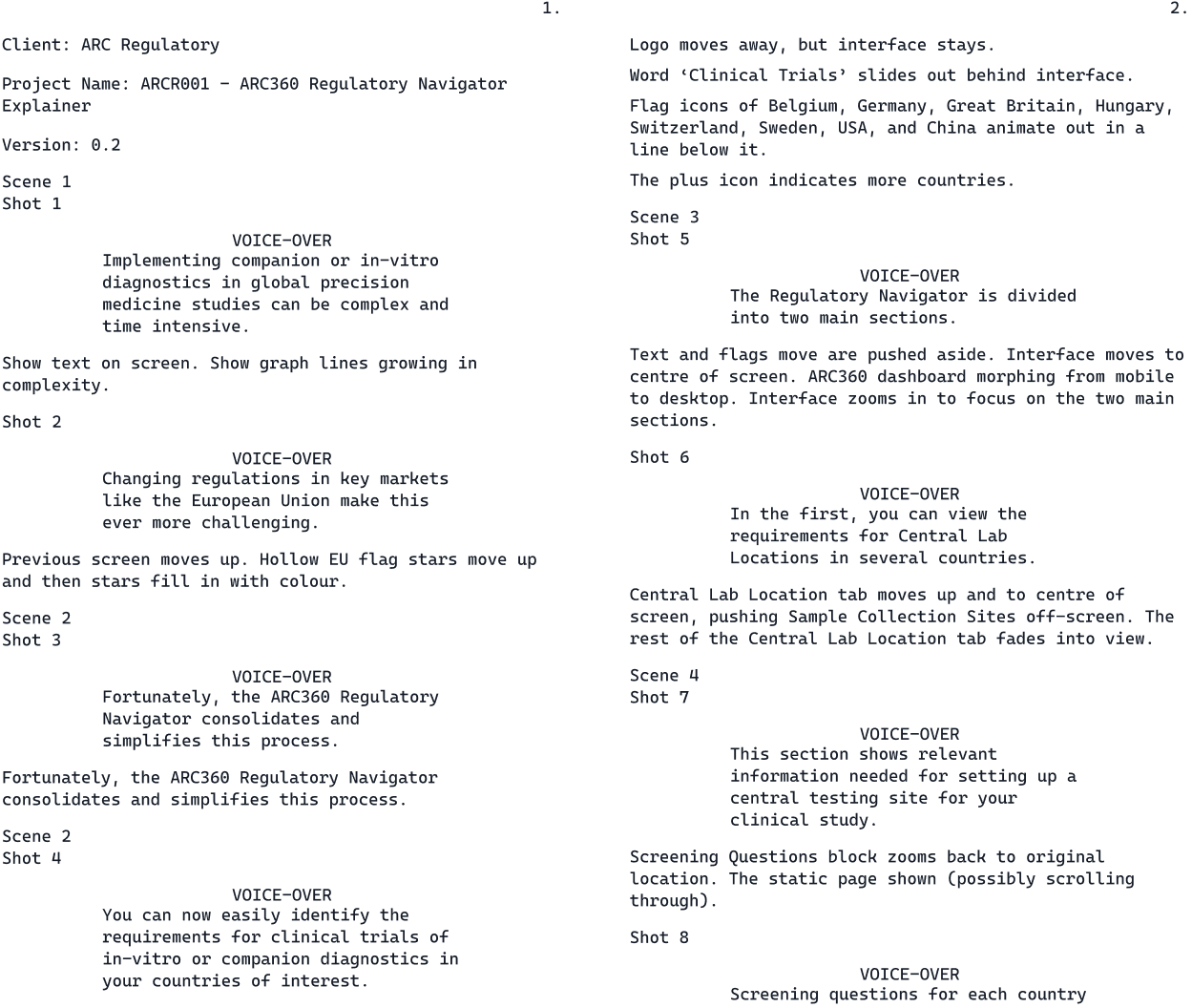
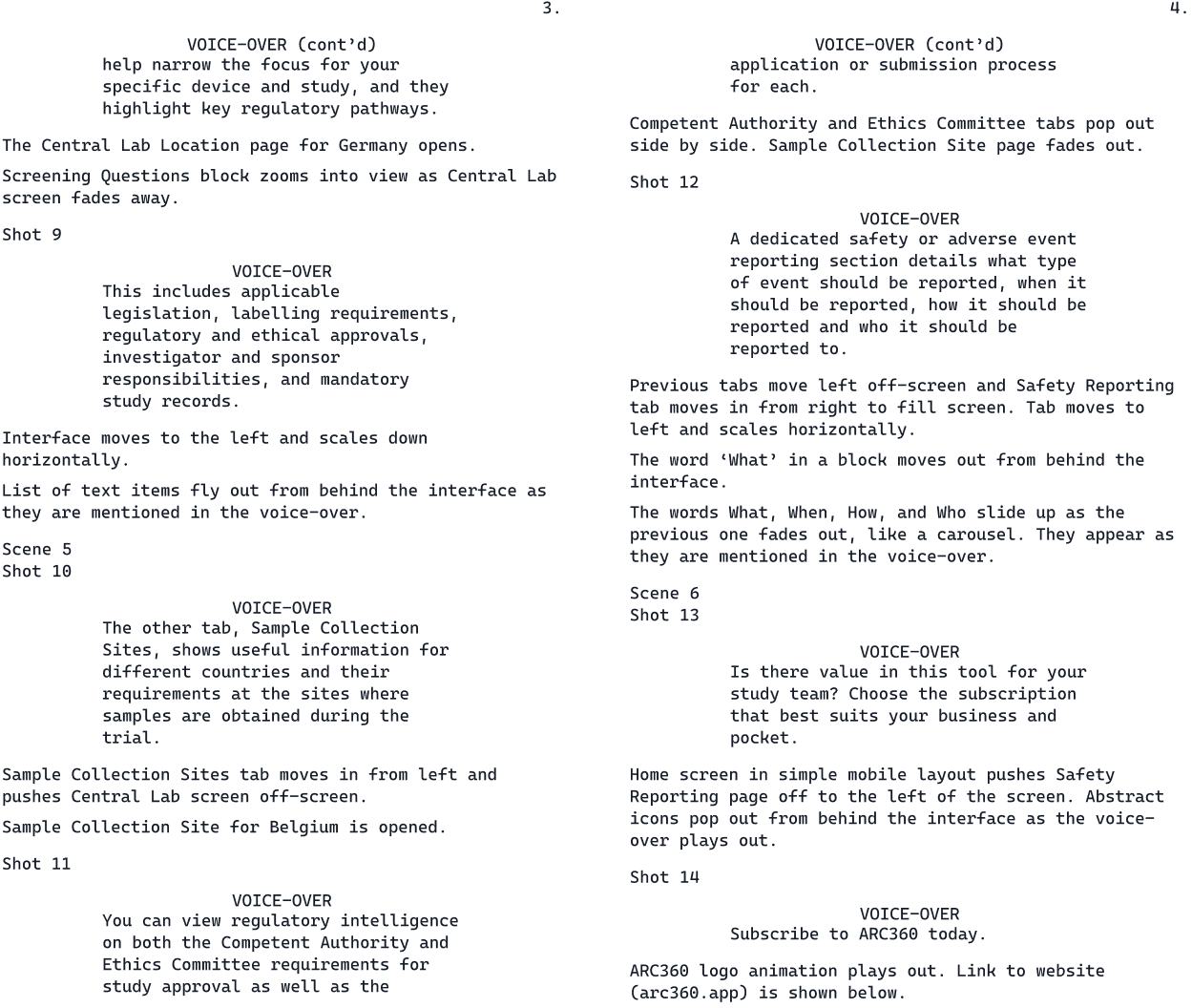
Working with the team at ARC, we developed a voice-over script based on the features of the platform that they wanted to showcase. With input from several stakeholders, we were able to create a narrative that was succinct as well as comprehensive.
Alongside the writing of the script, we also planned how the visuals would convey the message of the voice-over. This also helped to group together certain parts of the animation and dialogue into ‘scenes’ with one or more ‘shots’ inside each.
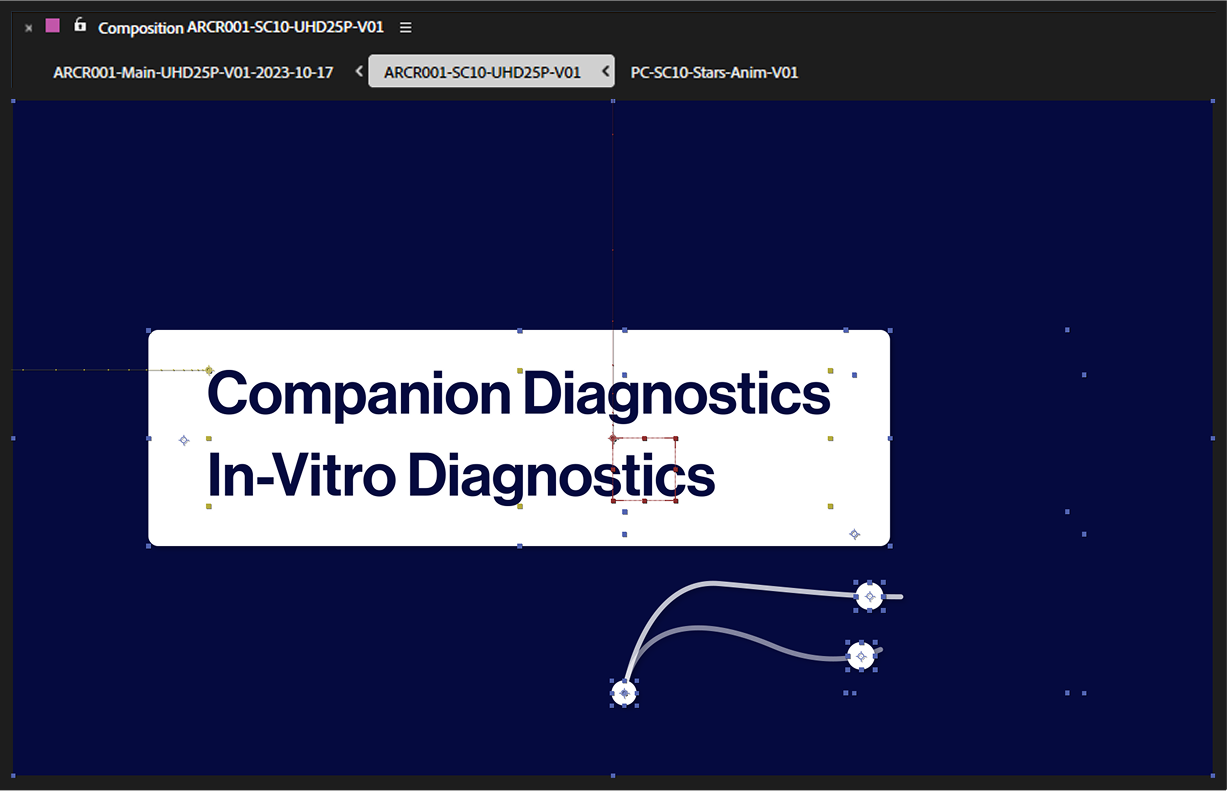
We decided that the video would be animated in a clean, flat-colour style. I suggested that we try to simplify the UI of the ARC36 platform, avoiding any distracting details, that might detract from the message. Text elements that weren’t needed to convey the messaged were reduced to simple lines.
Using Figma, I developed storyboards to help visualise and plan the animation, based on the script. This method allowed me to rapidly prototype and plan designs for use in the storyboard. This also formed the basis for the first version of the simplified ARC360™ UI.

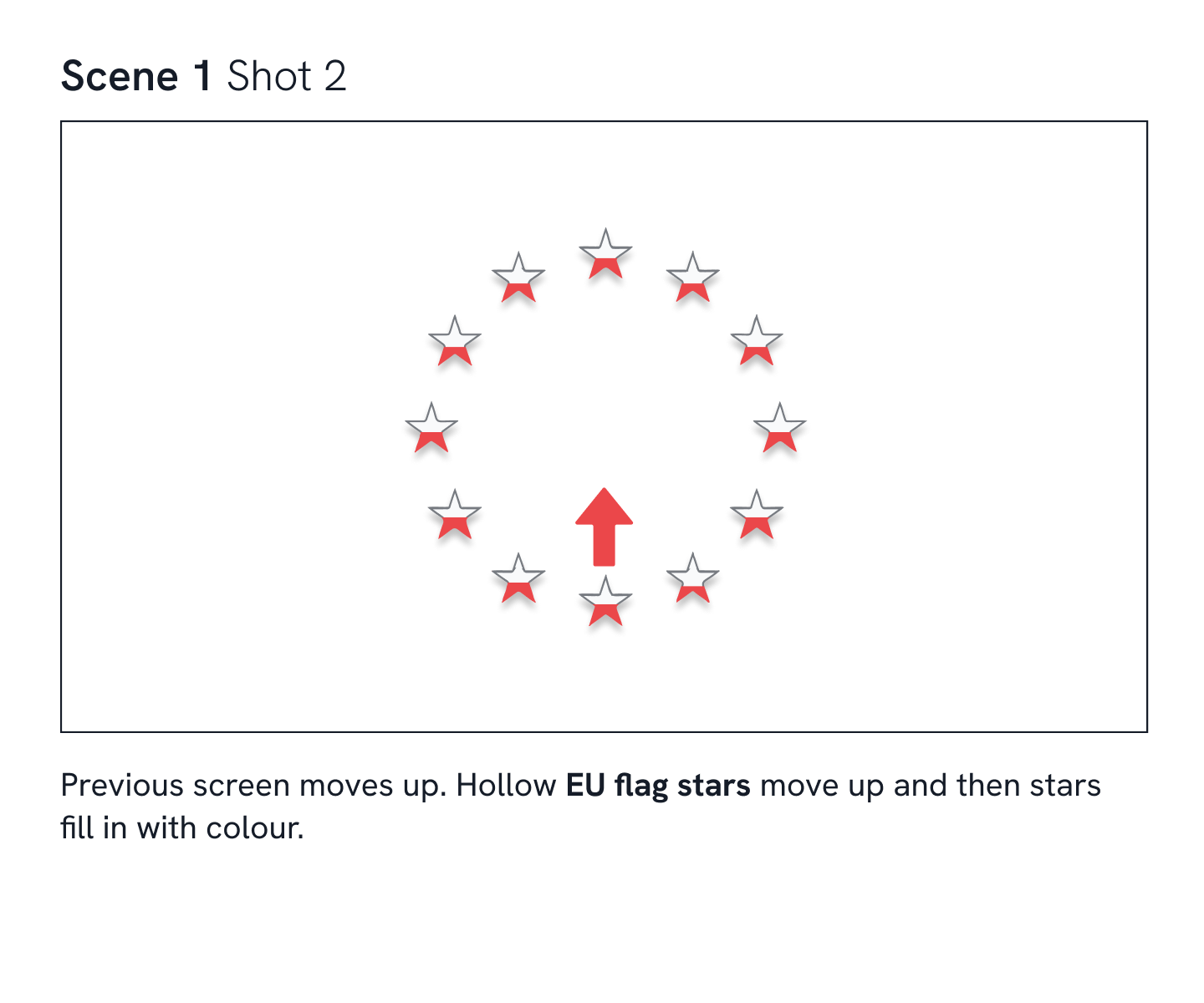
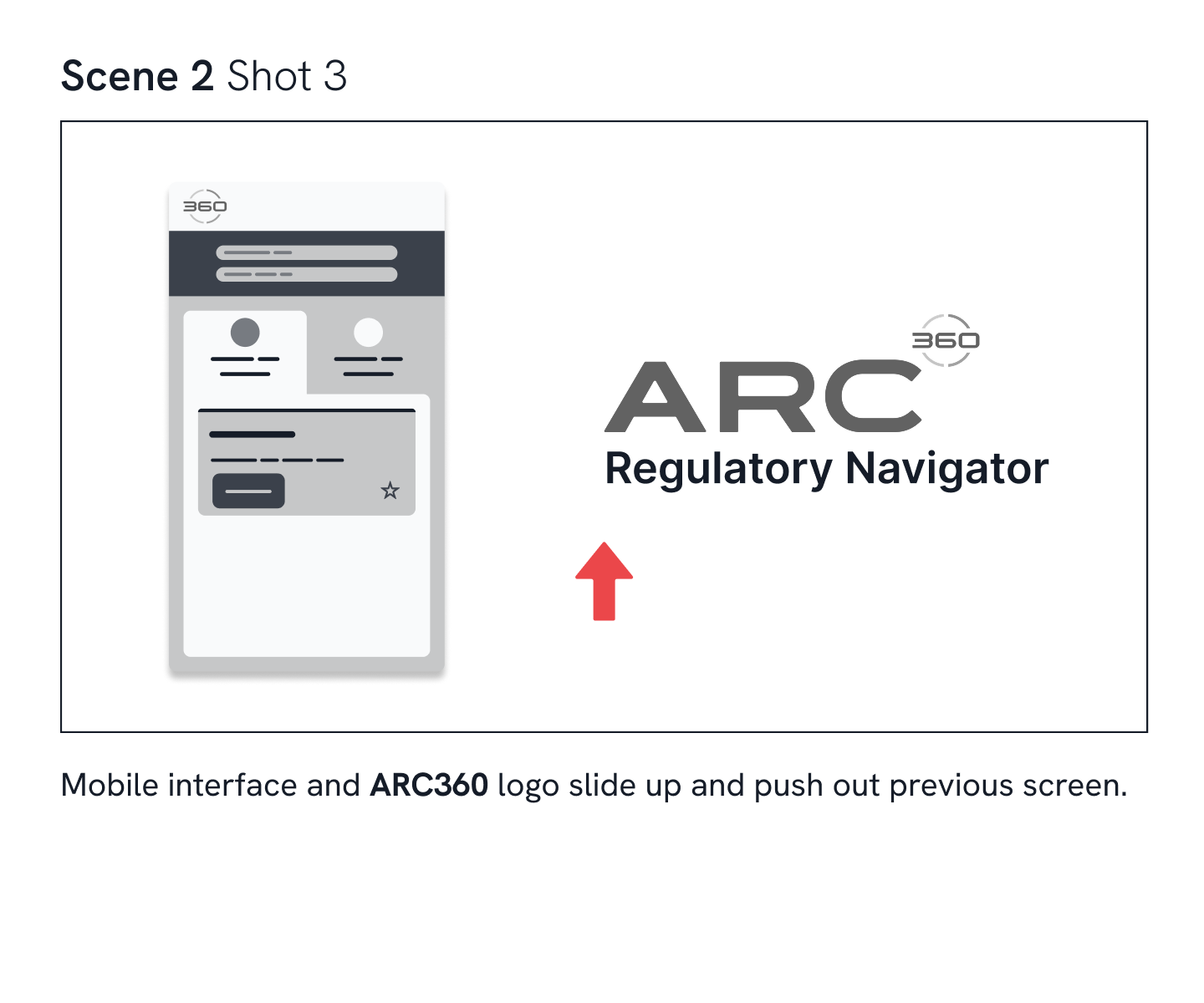
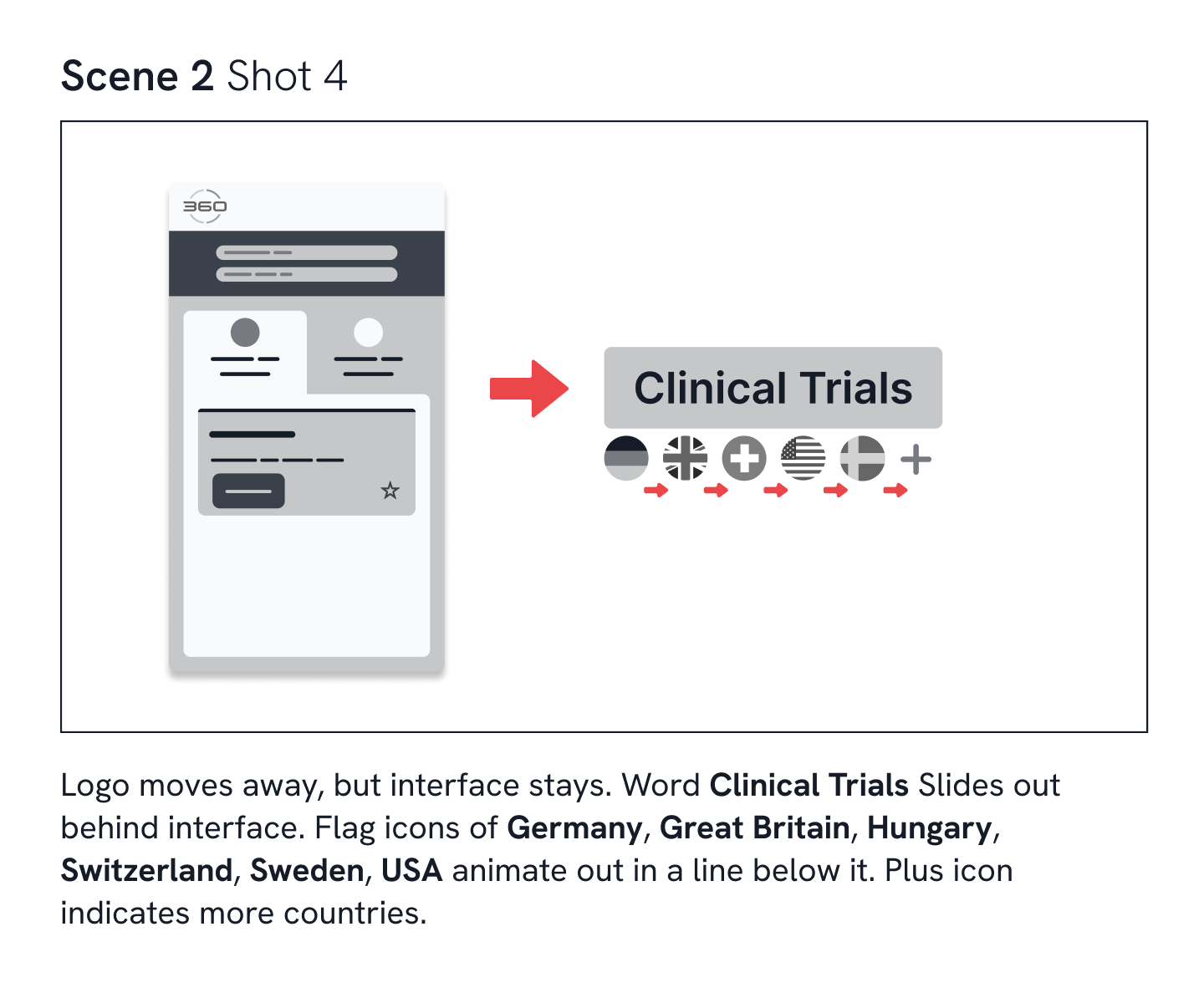
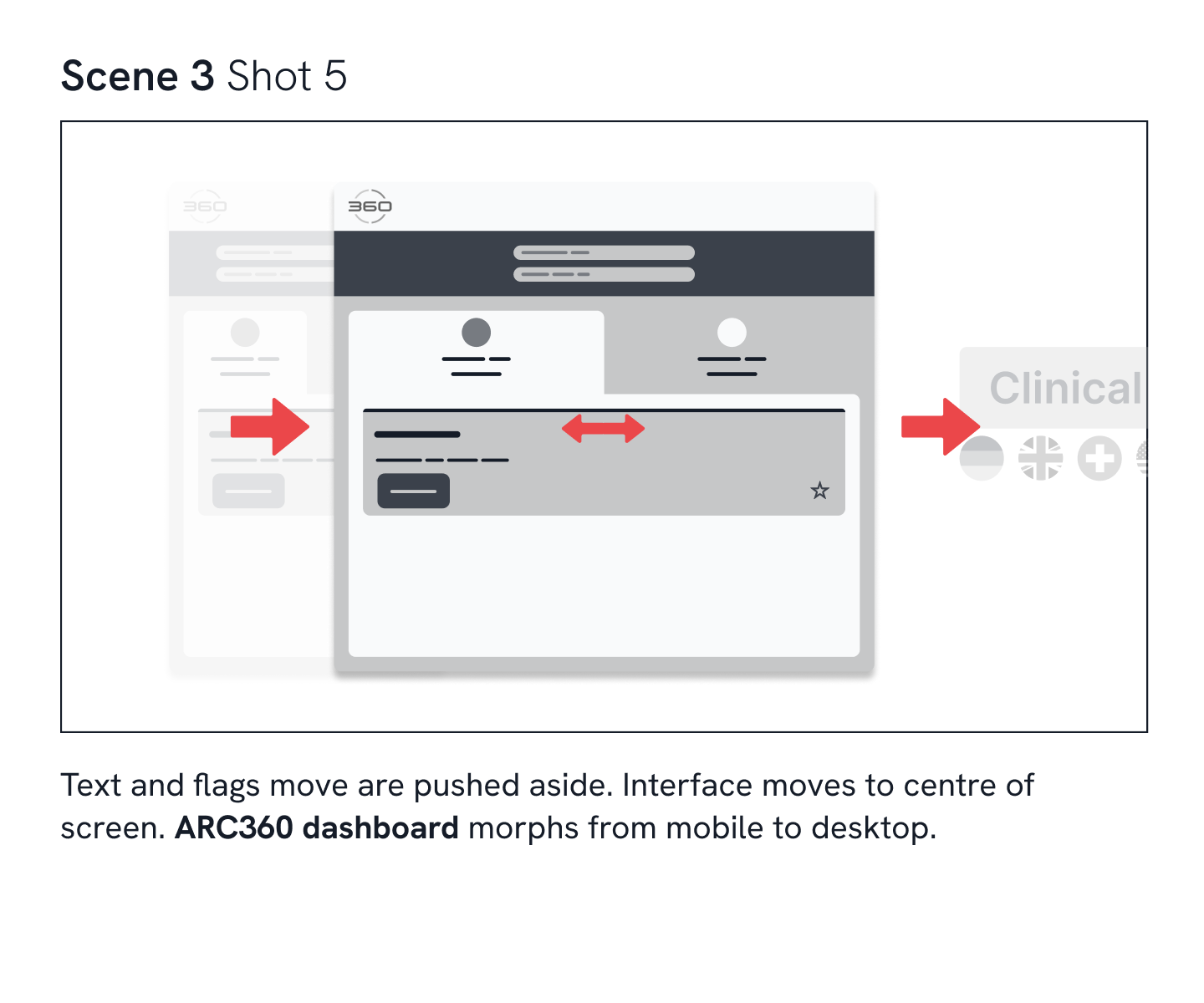
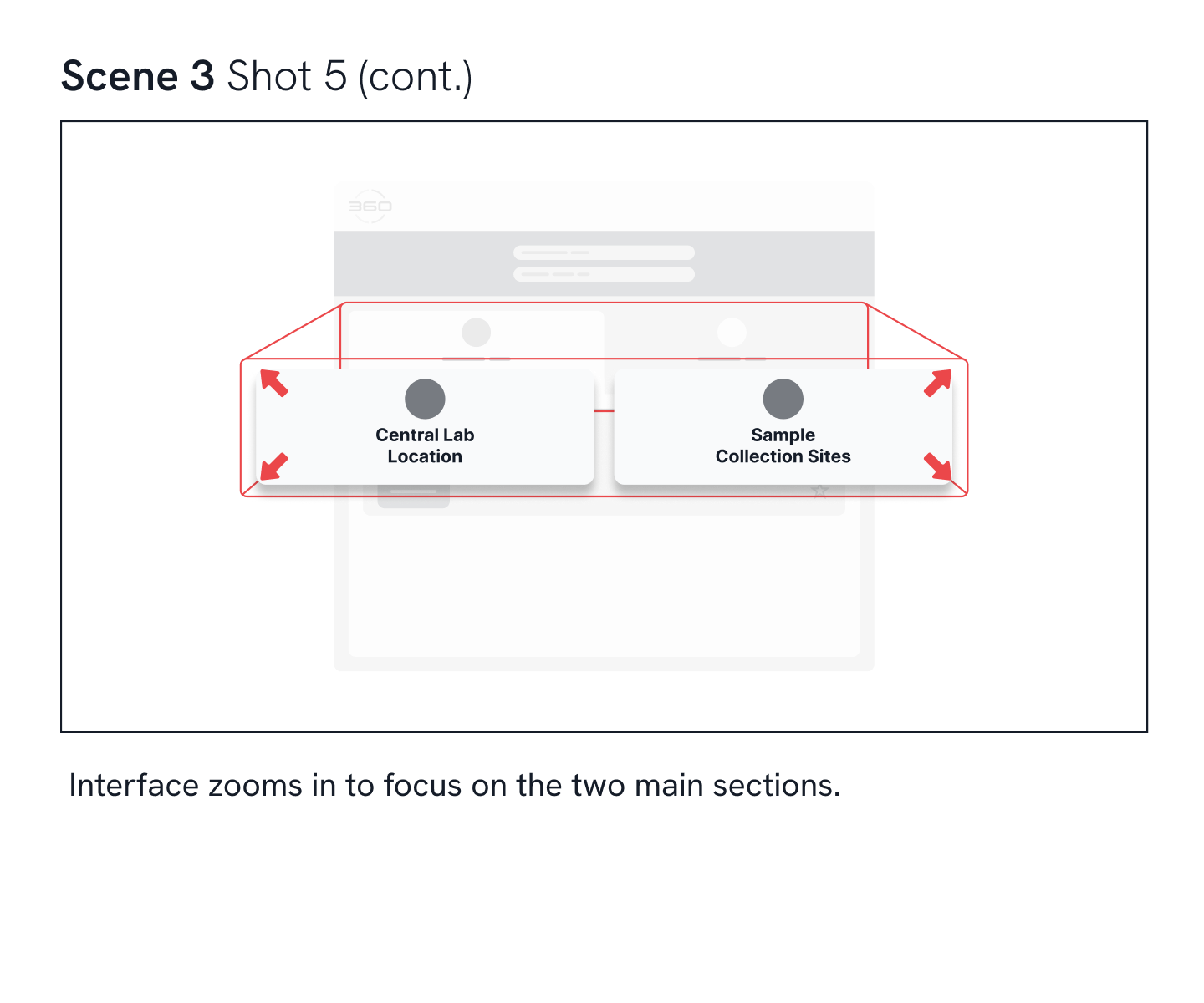
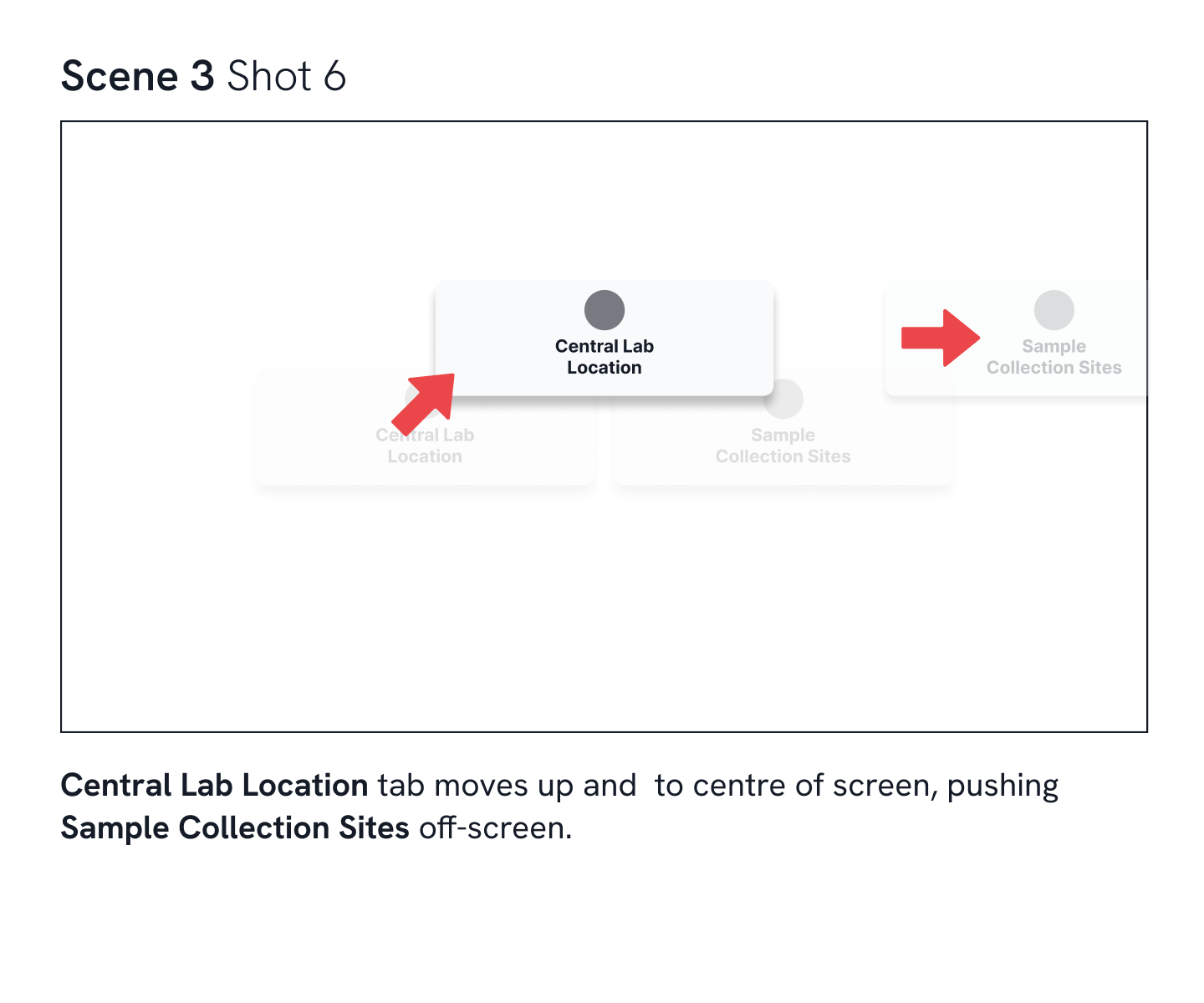
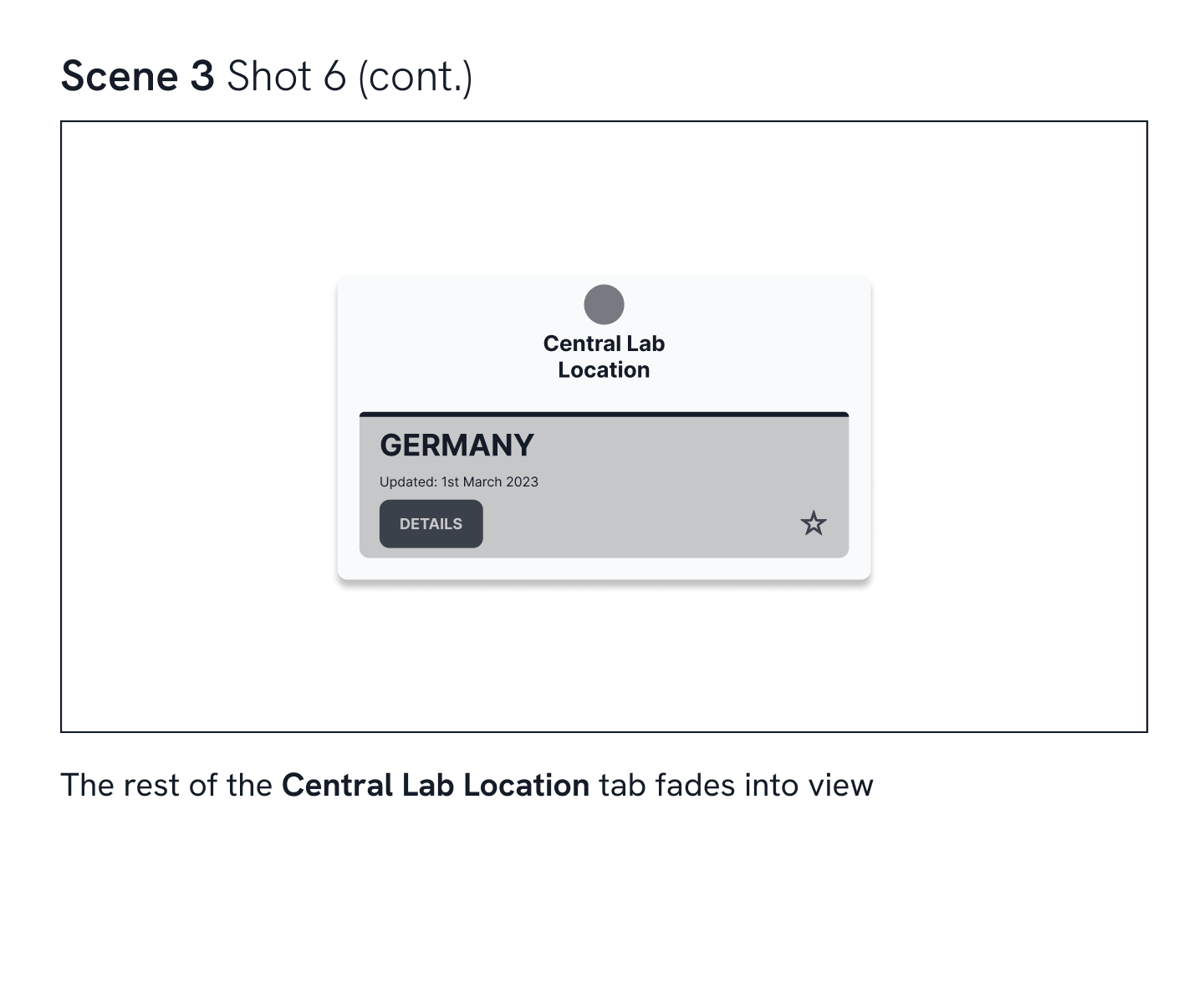
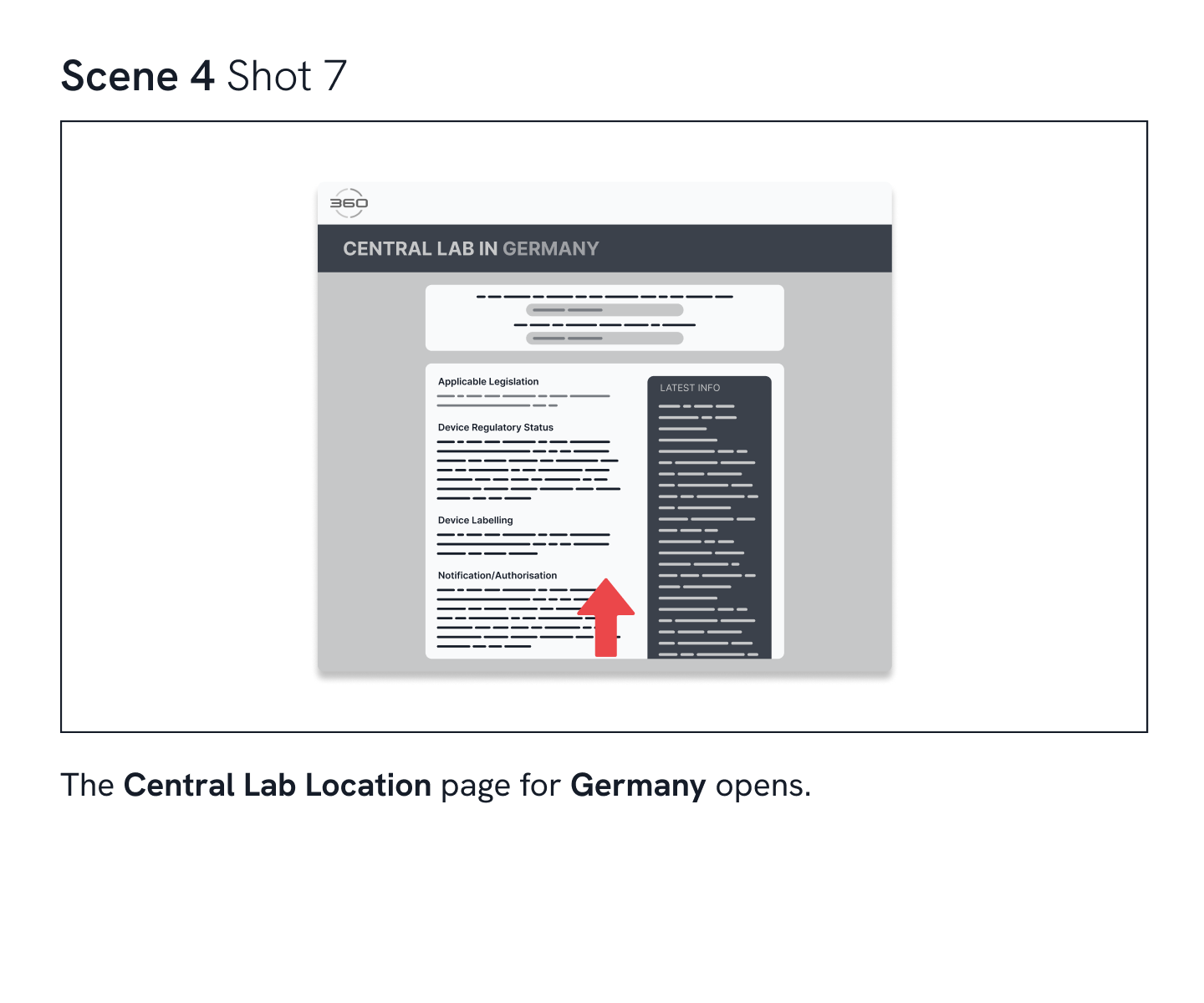
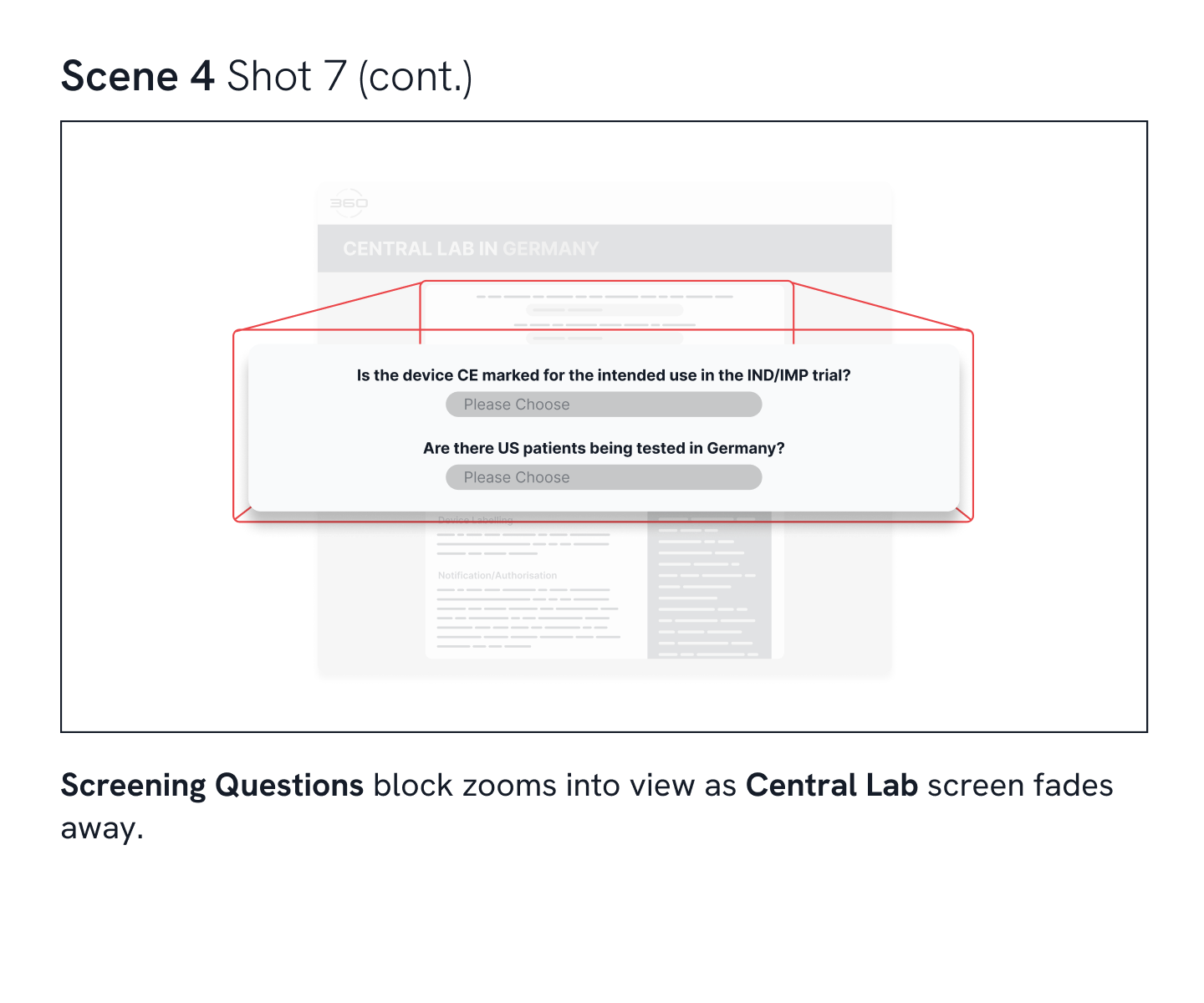
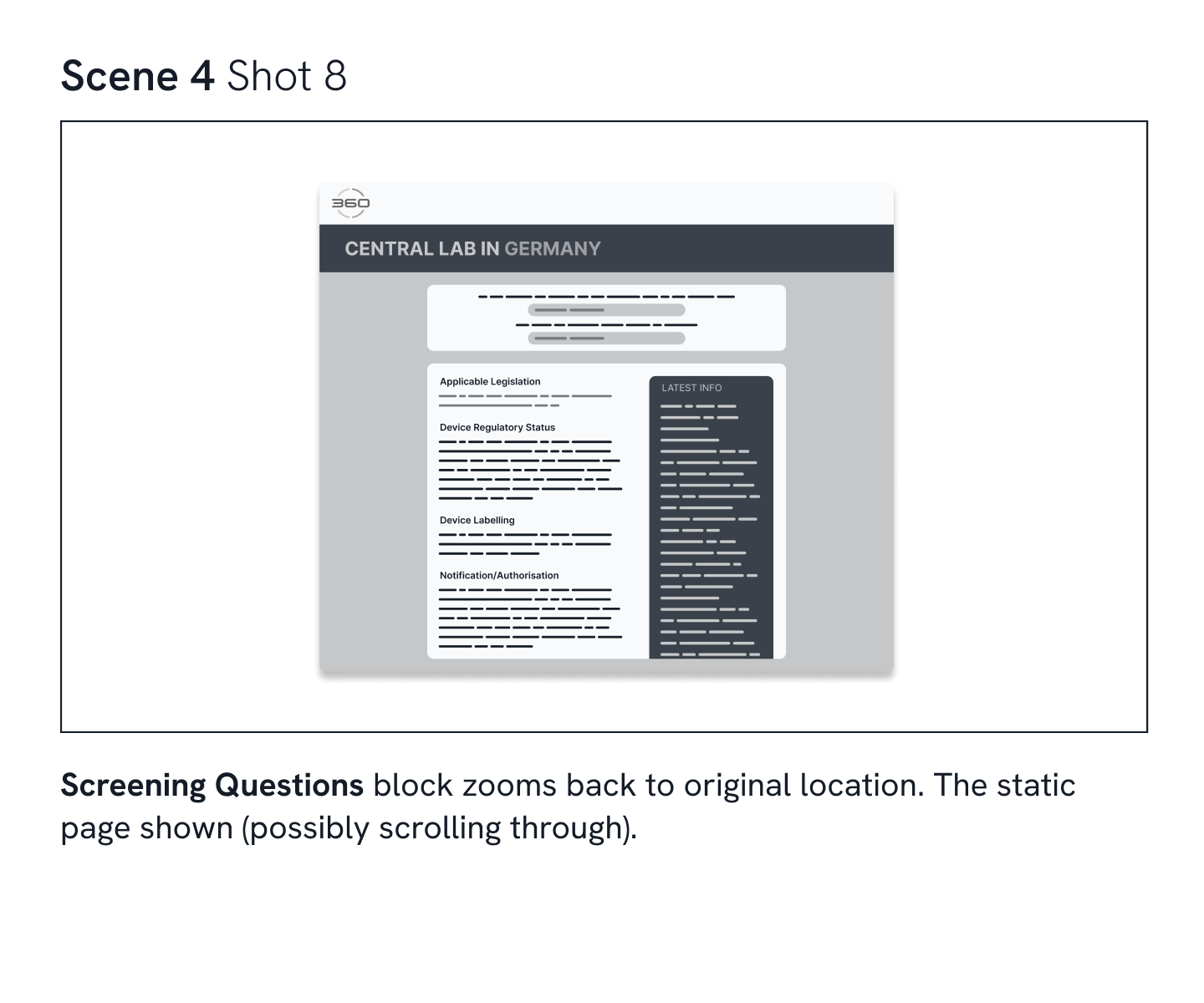
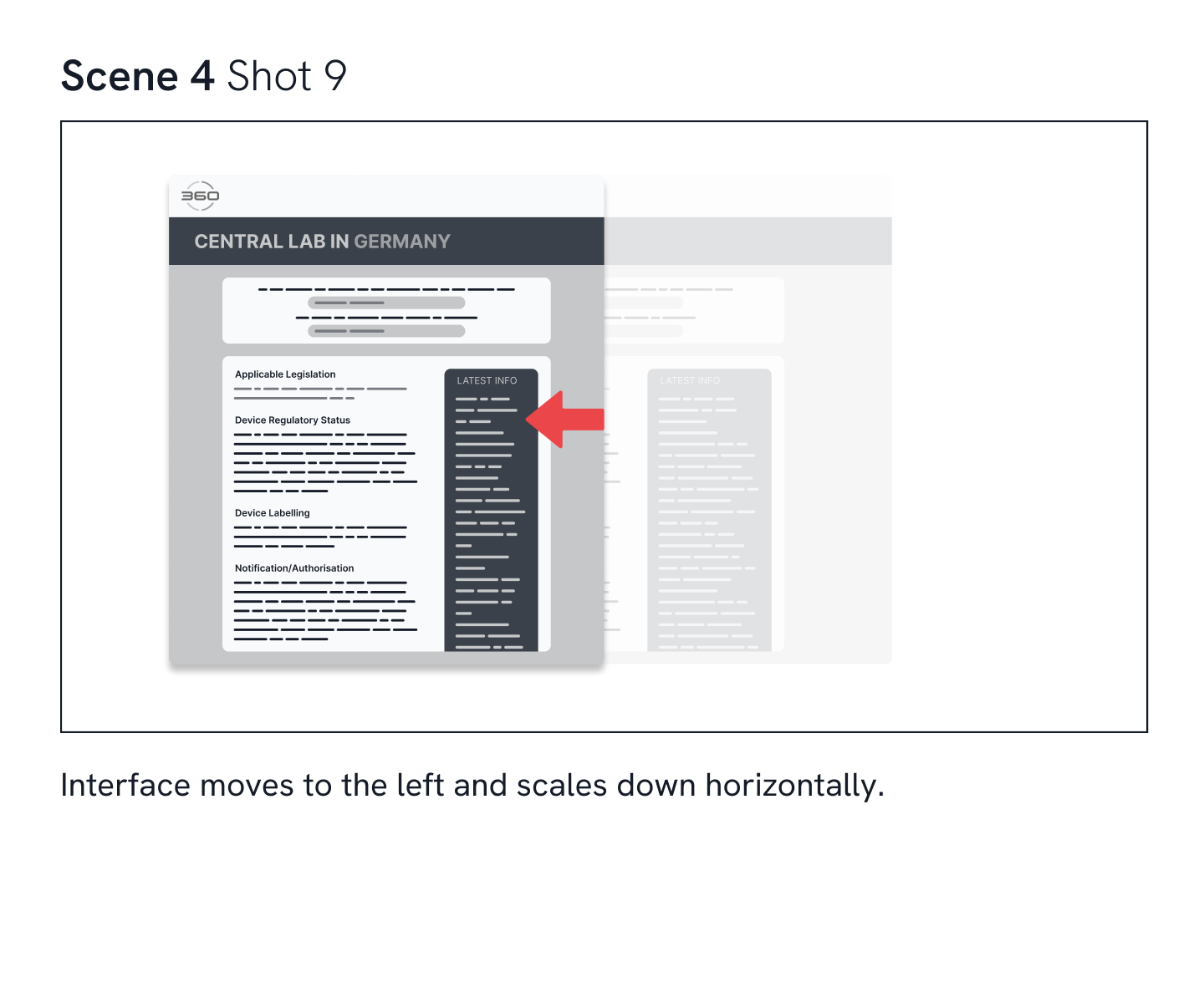
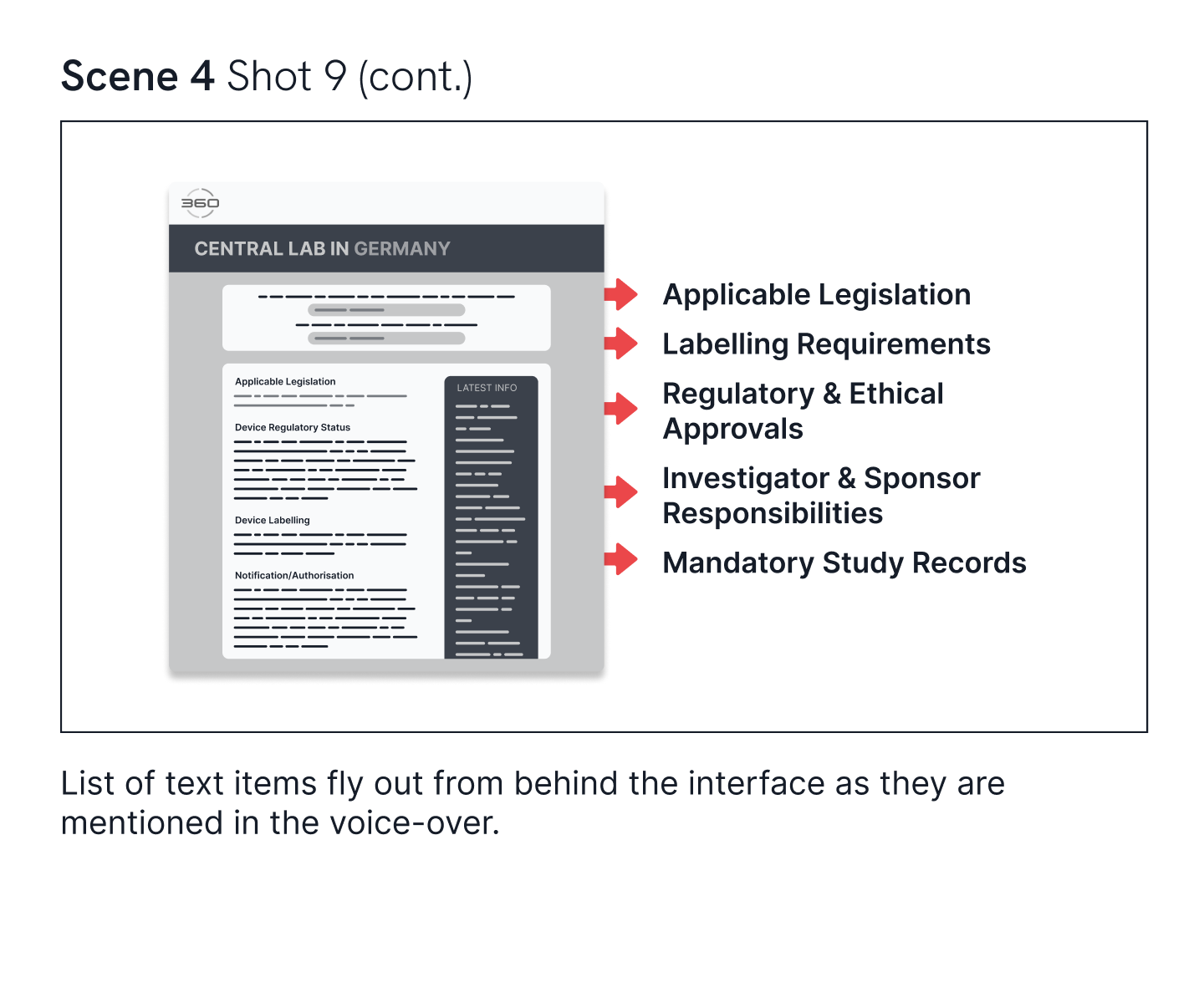
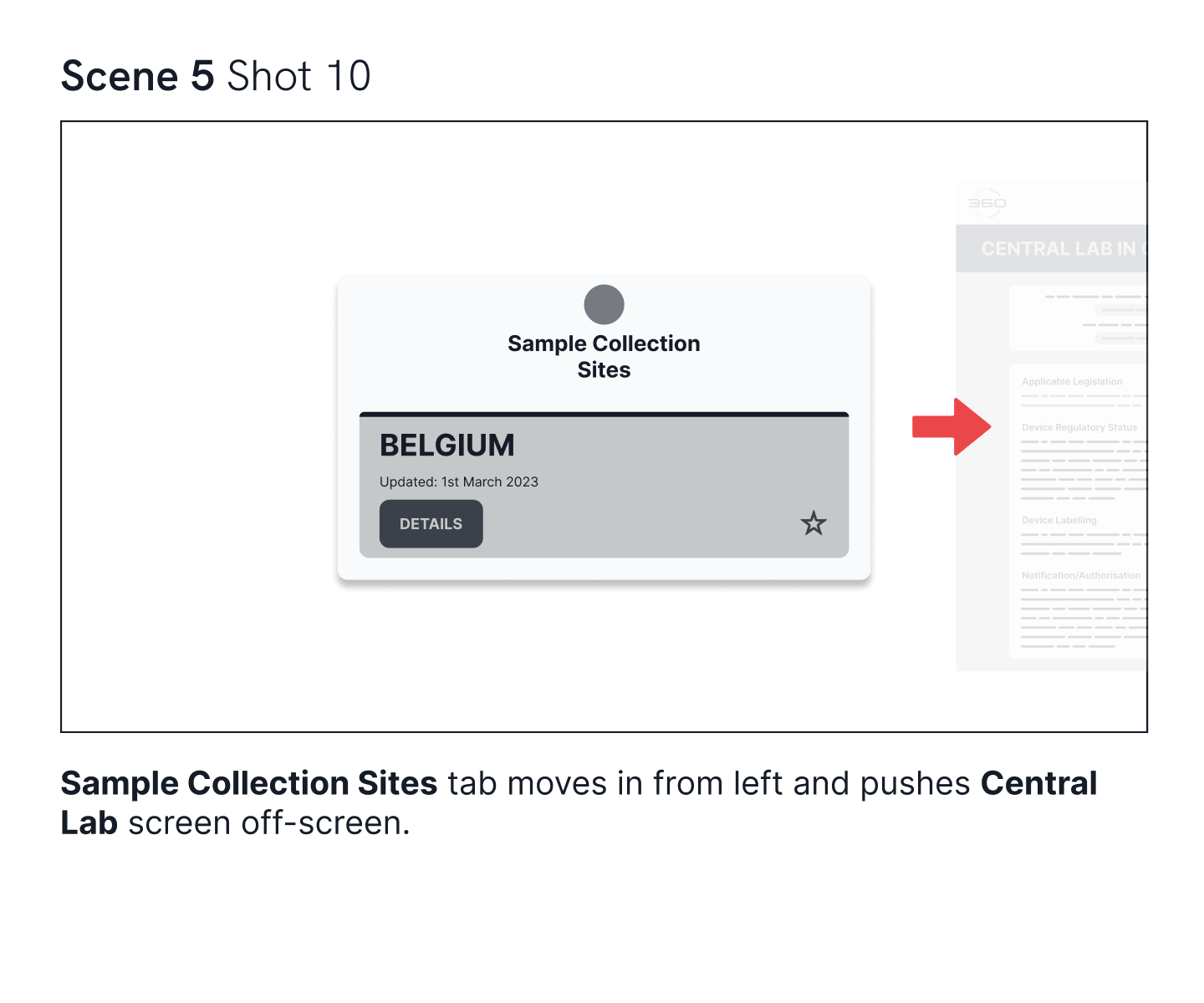
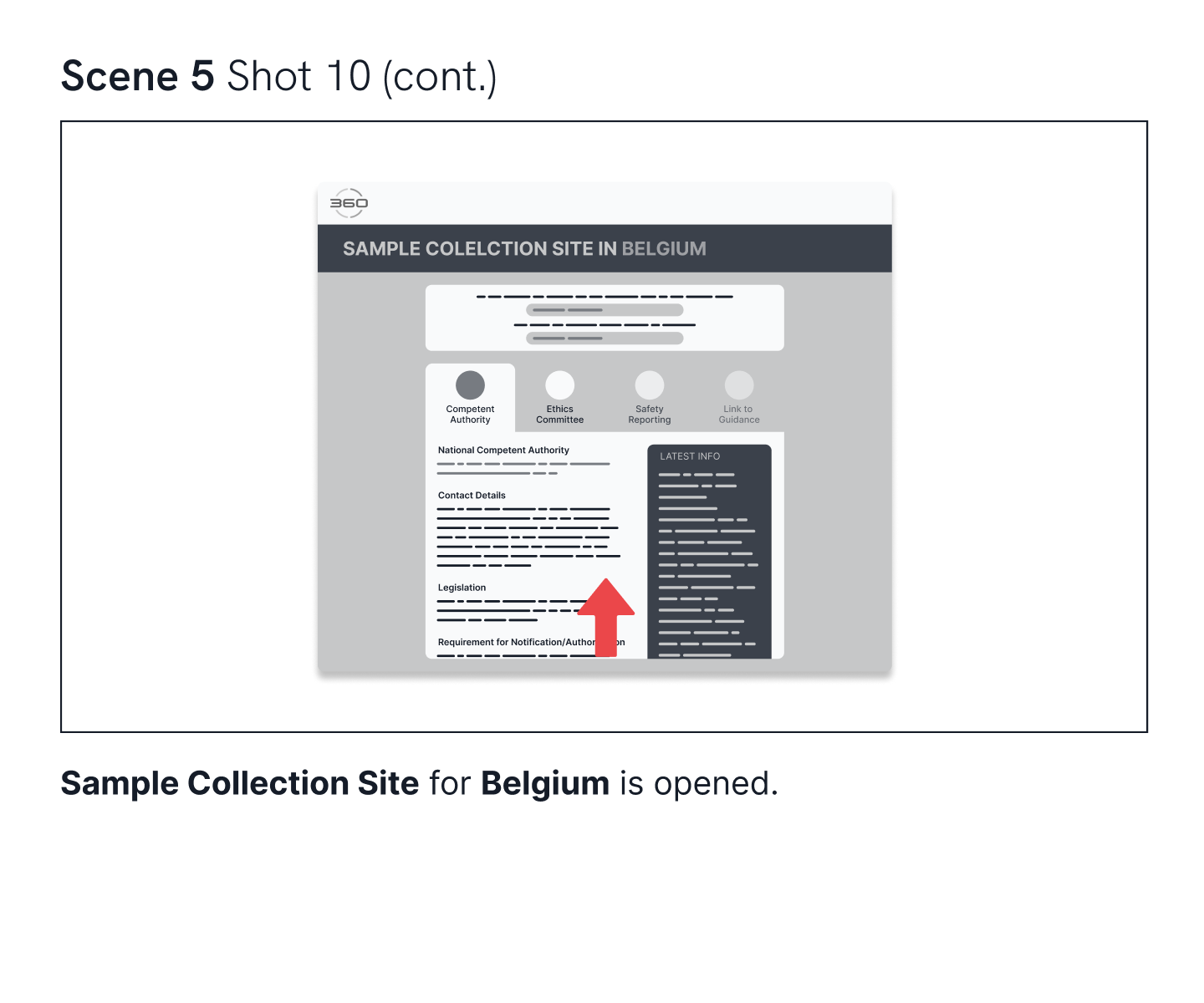
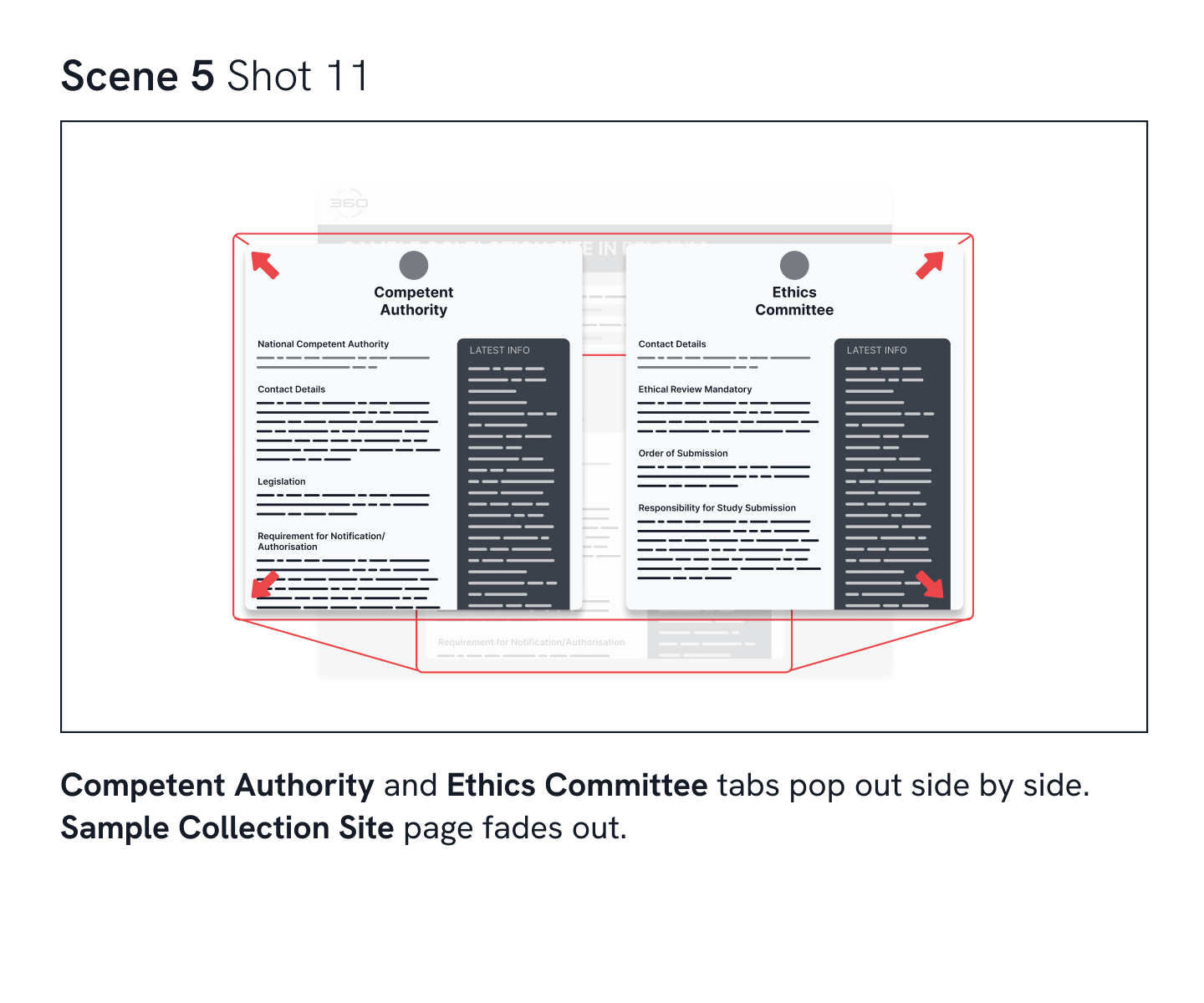
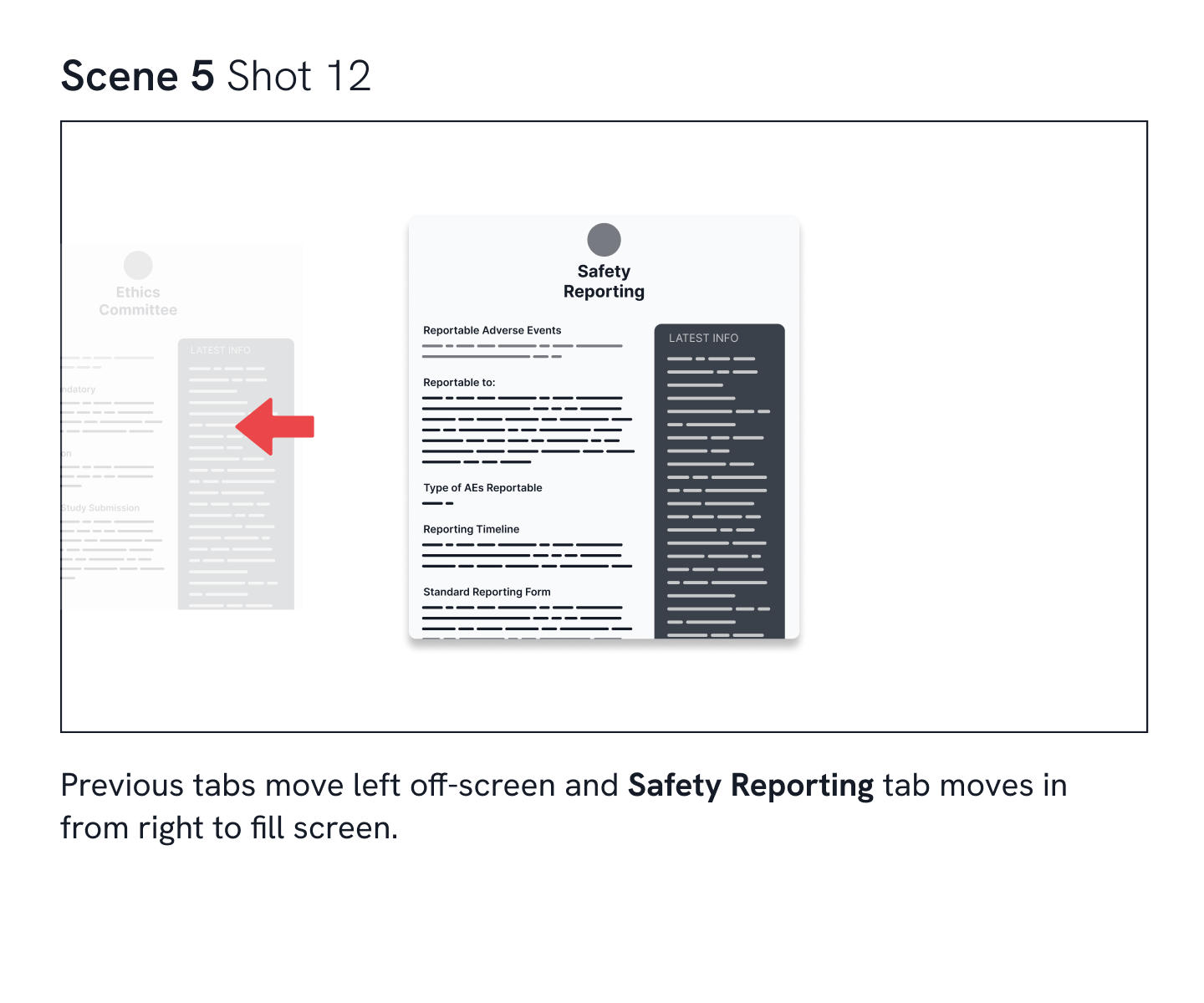
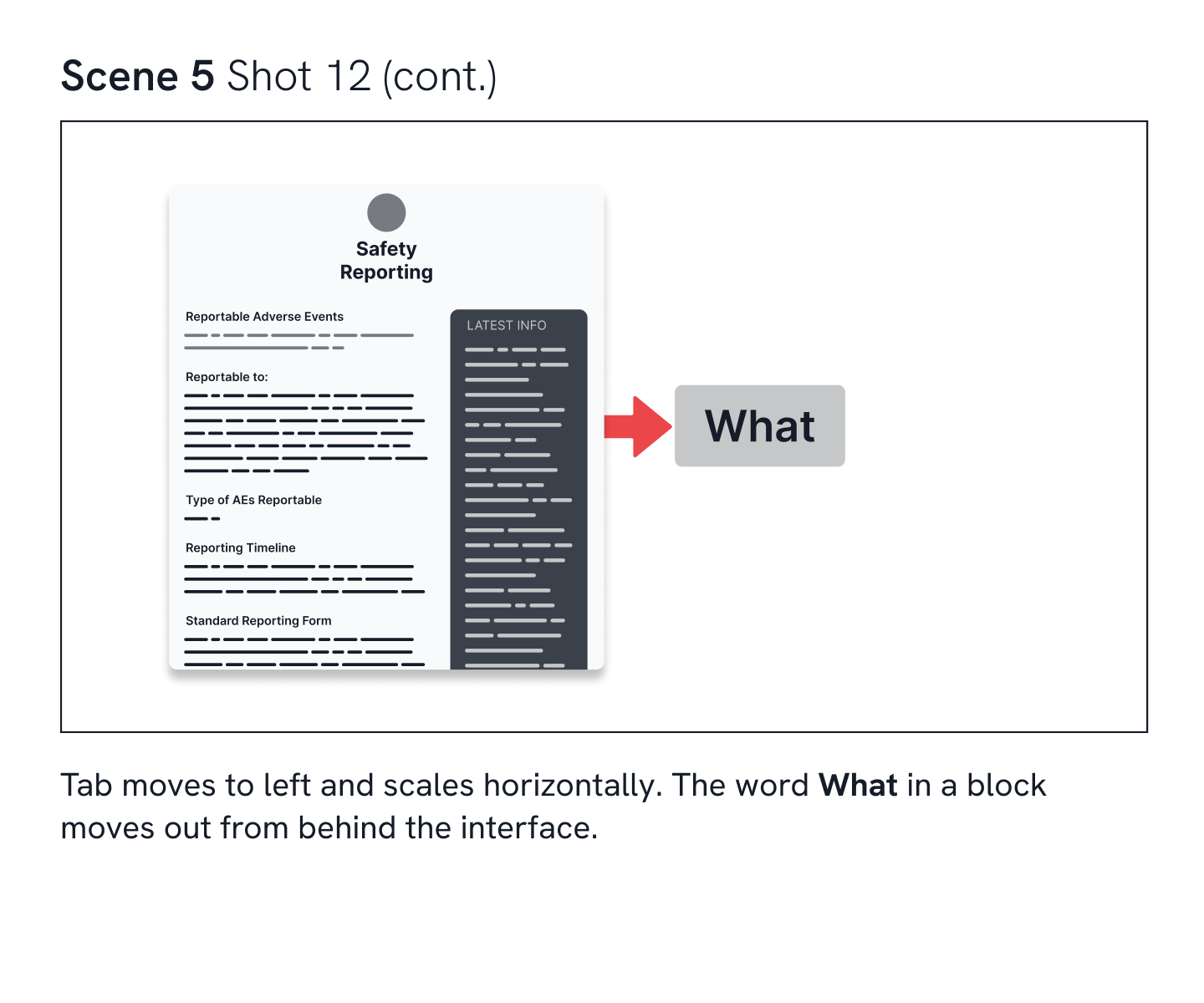
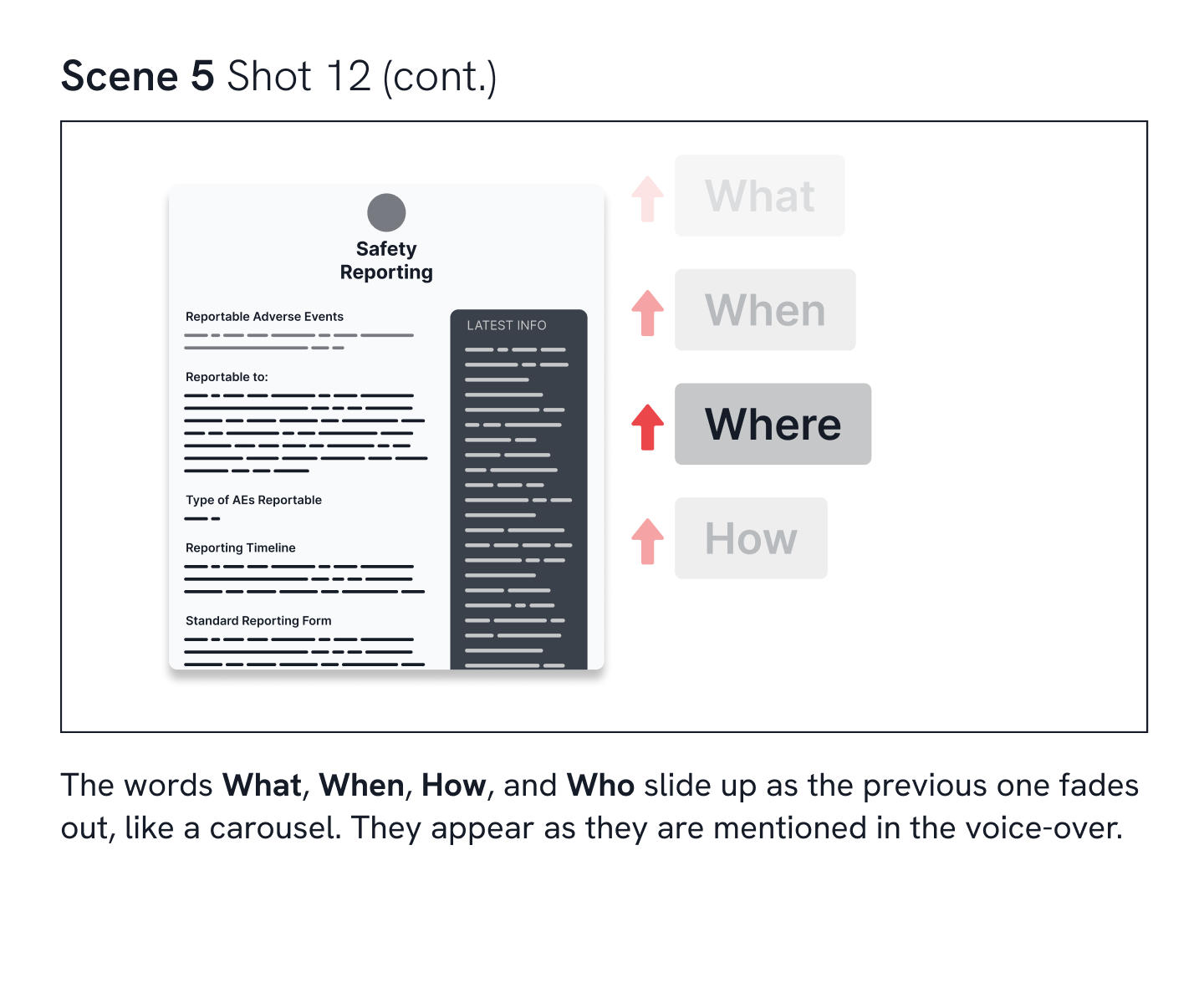
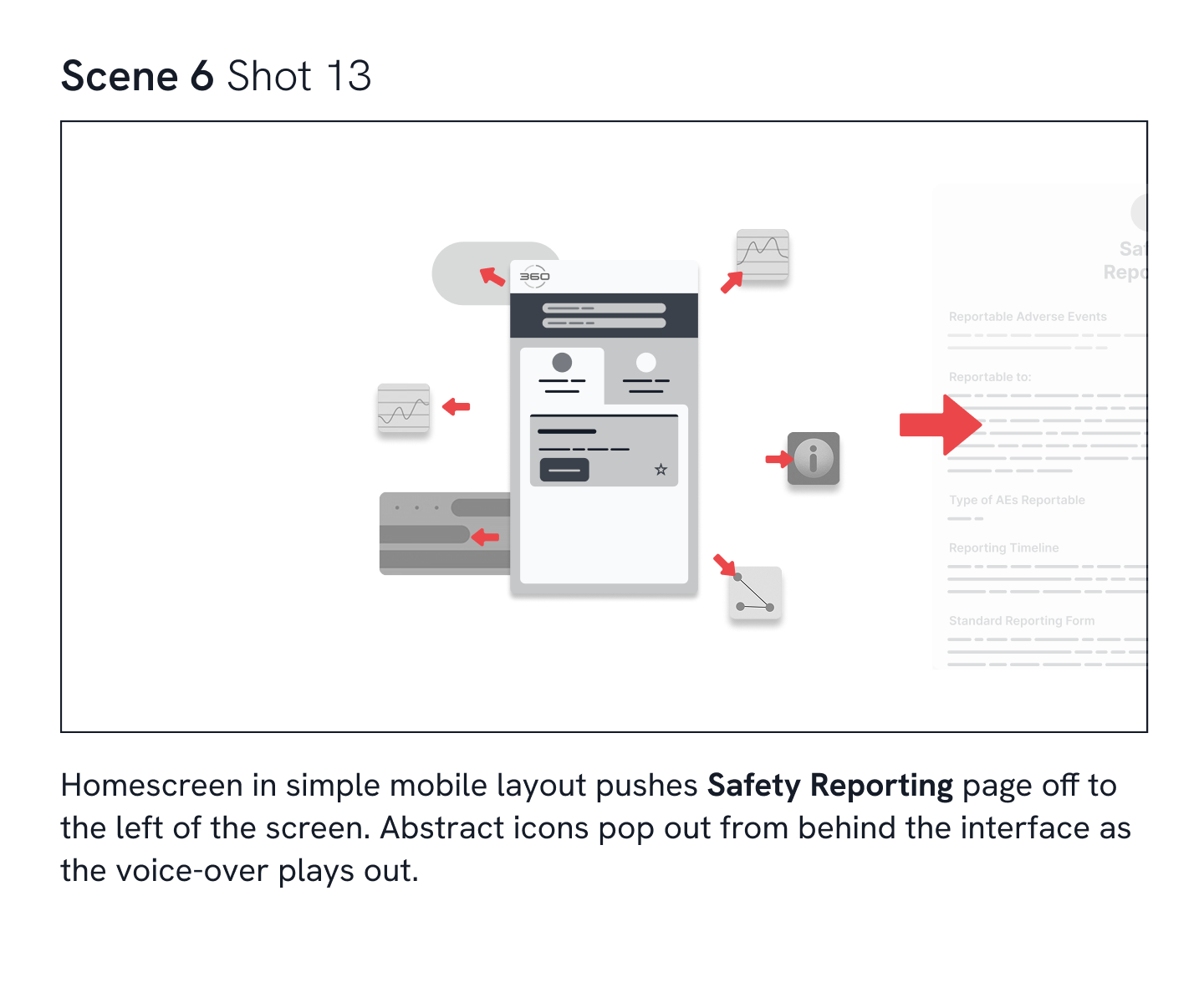
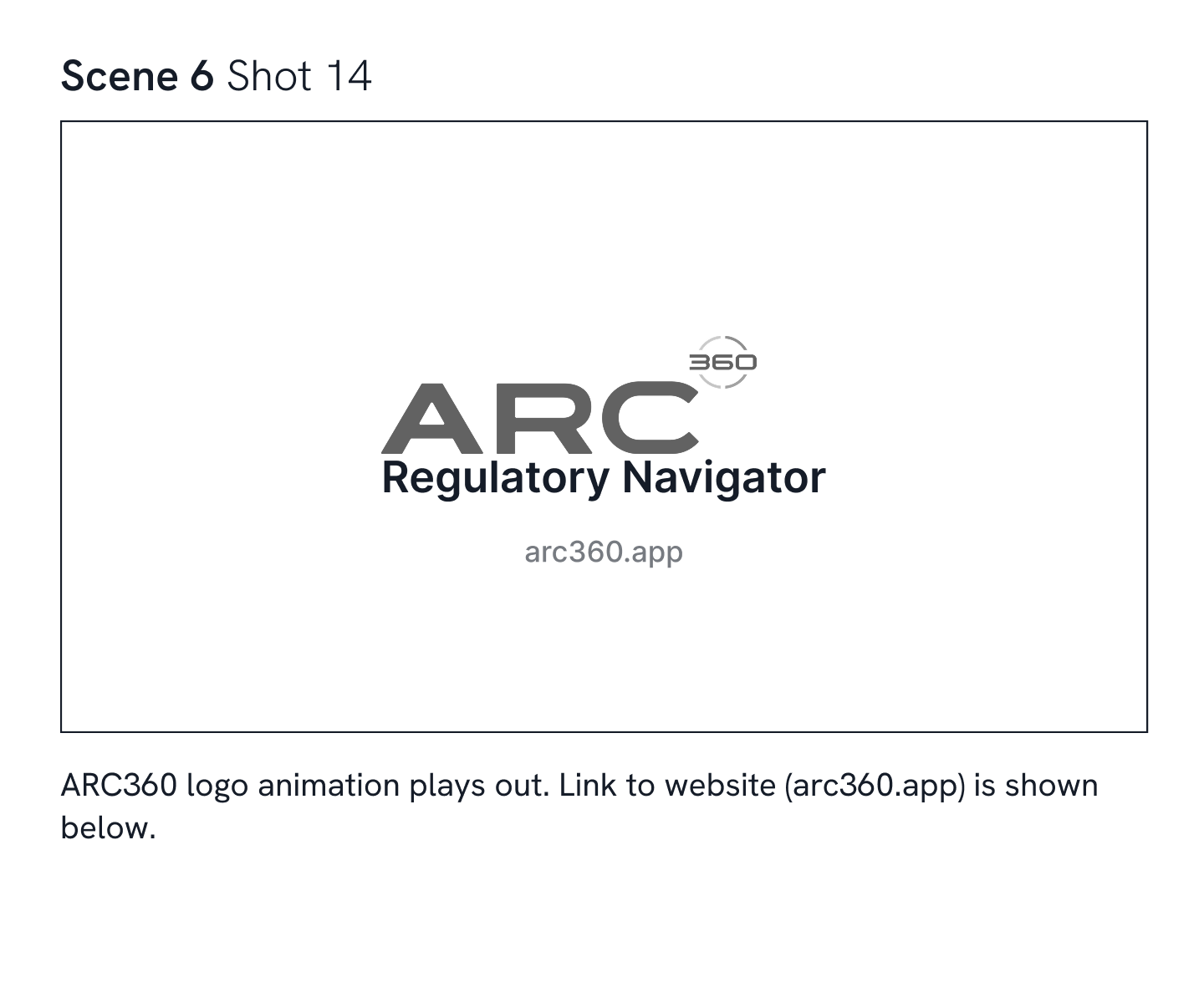
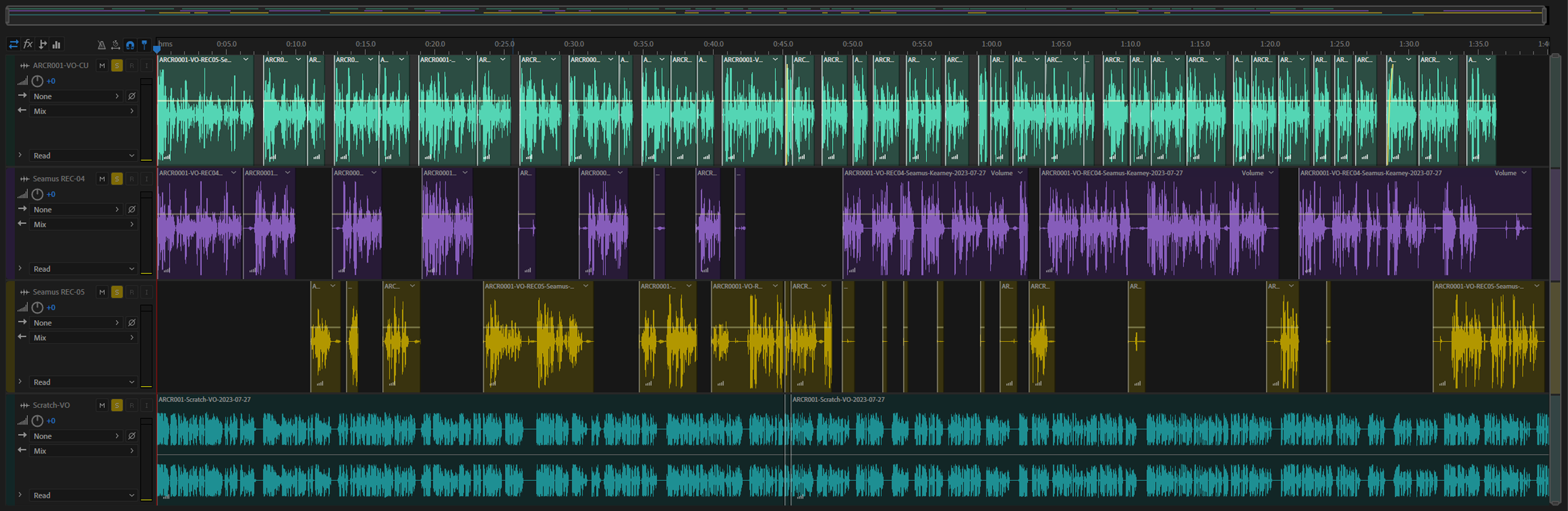
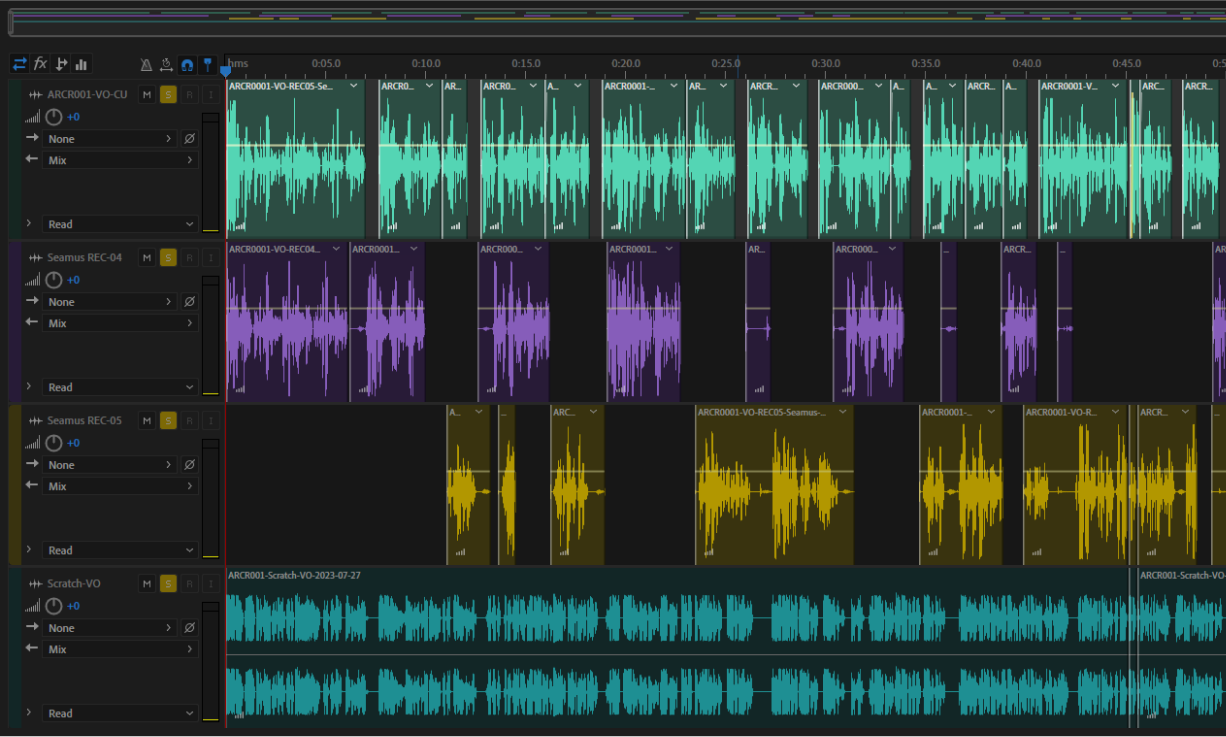
After signing-off on both the script and storyboard, the next step was recording a voice-over. I recorded and cut down a scratch voice-over, to help with the pacing and timing of the animation.
For the actual voice-over, ARC wanted it to feature an Irish accent to represent their heritage as a proudly Irish company. A Northern Ireland native, and the CEO of ARC, Seamus Kearney was chosen to voice the video. I received several recordings from him, which I could use to create the final voice-over. I edited and cleaned up the audio in Adobe Audition.
The assets for the video were created in Figma, leveraging its UI design tools to create the various ARC360 screens. Once prepared and layers were split up for animation, the assets could be transferred to Adobe After Effects using the AEUX plugin for Figma.
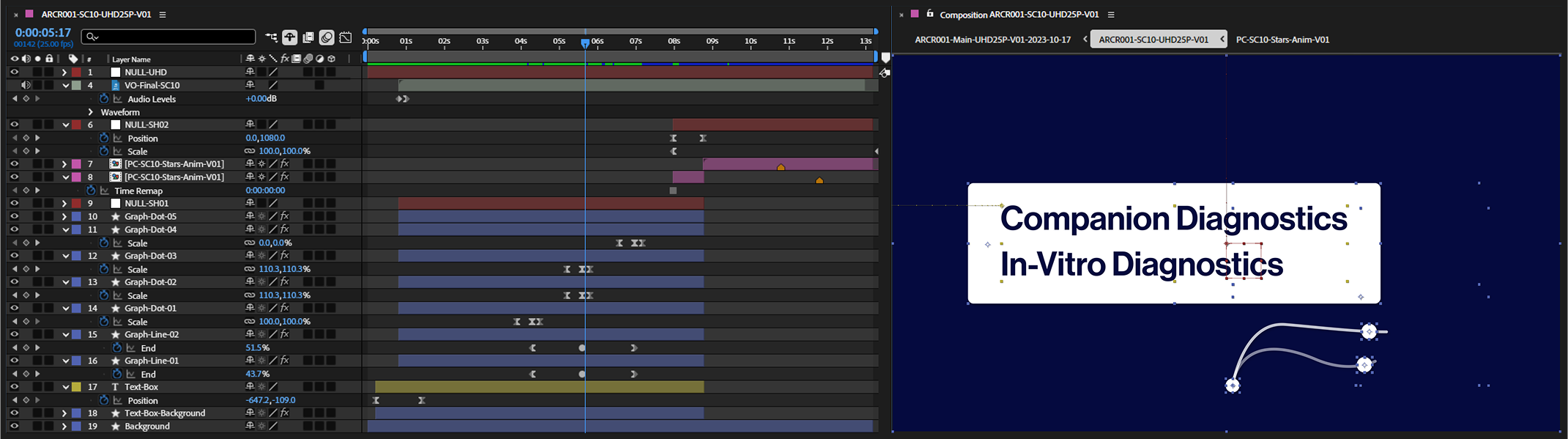
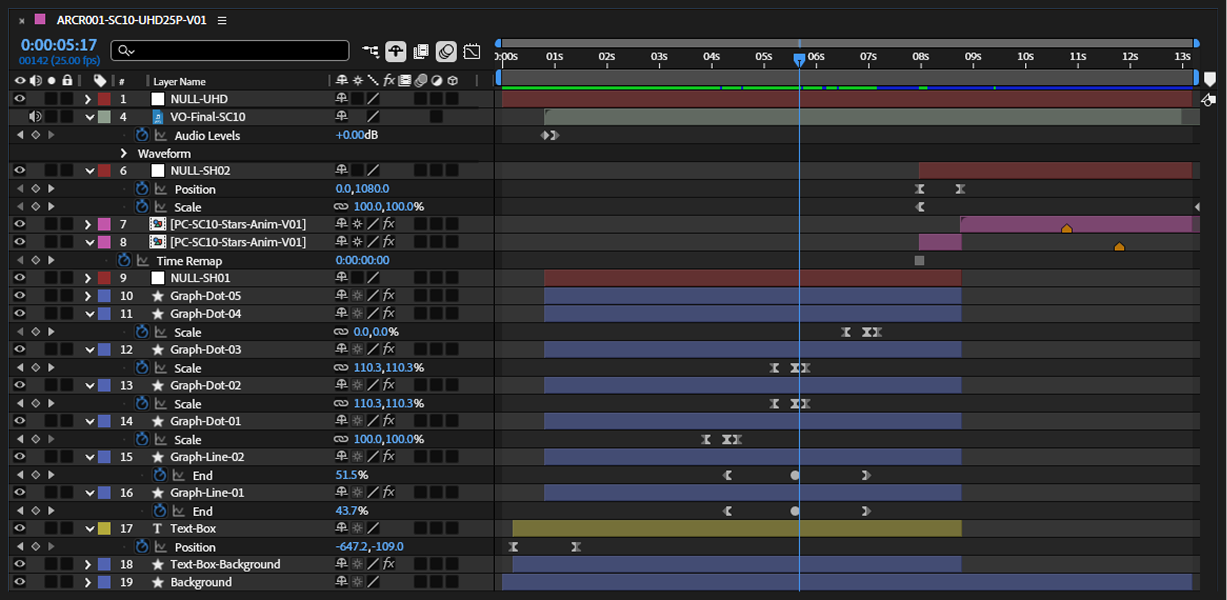
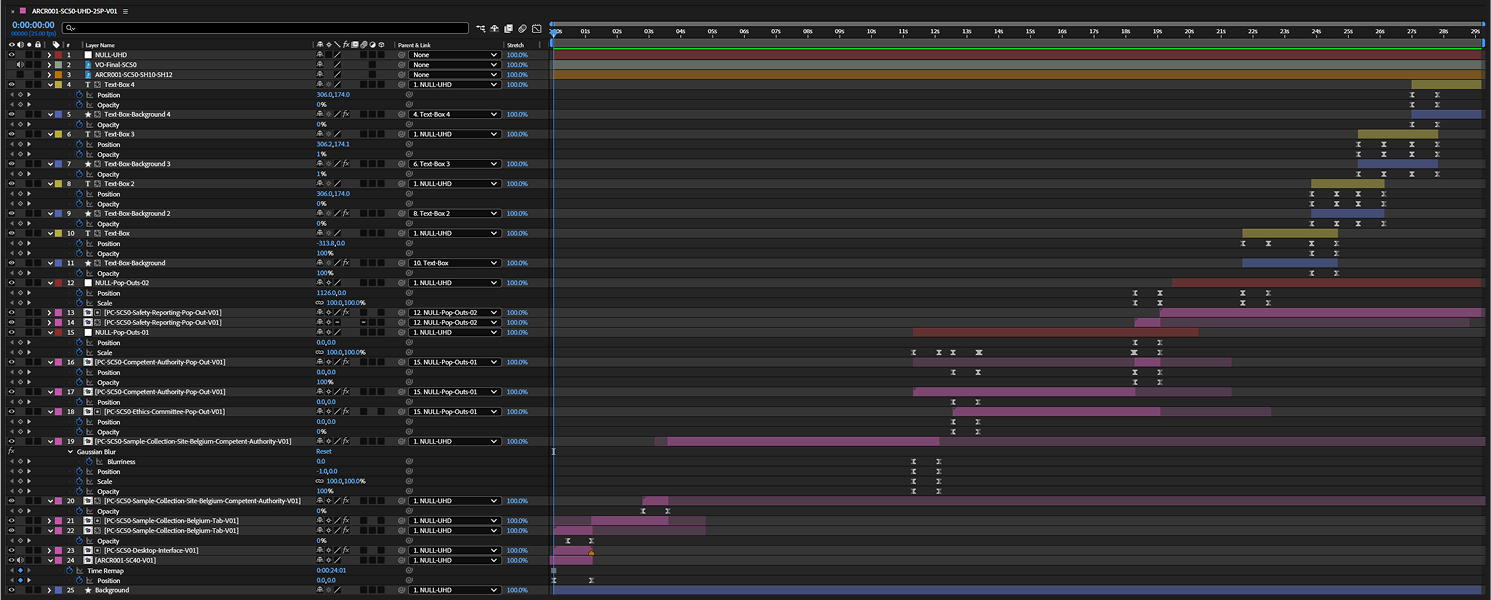
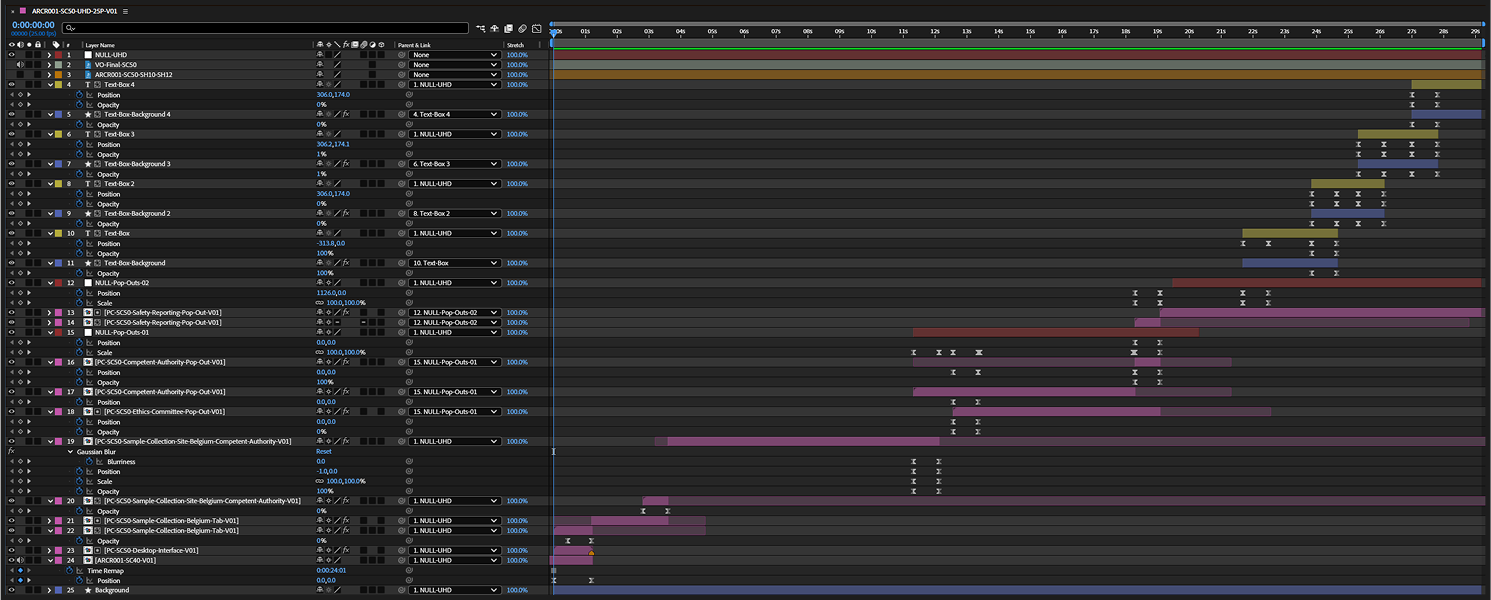
The animation was split into the various scenes and corresponding shots, with timing provided by the initial scratch voice-over, and later the final one. As the style was very simplistic, the animation was relatively straightforward. I used a handful of After Effects Expressions, to automate some tedious or often-changed areas. The video was animated in 1080p, but as all the assets were shape layers, it was easily upscaled to UHD 4K for final delivery.
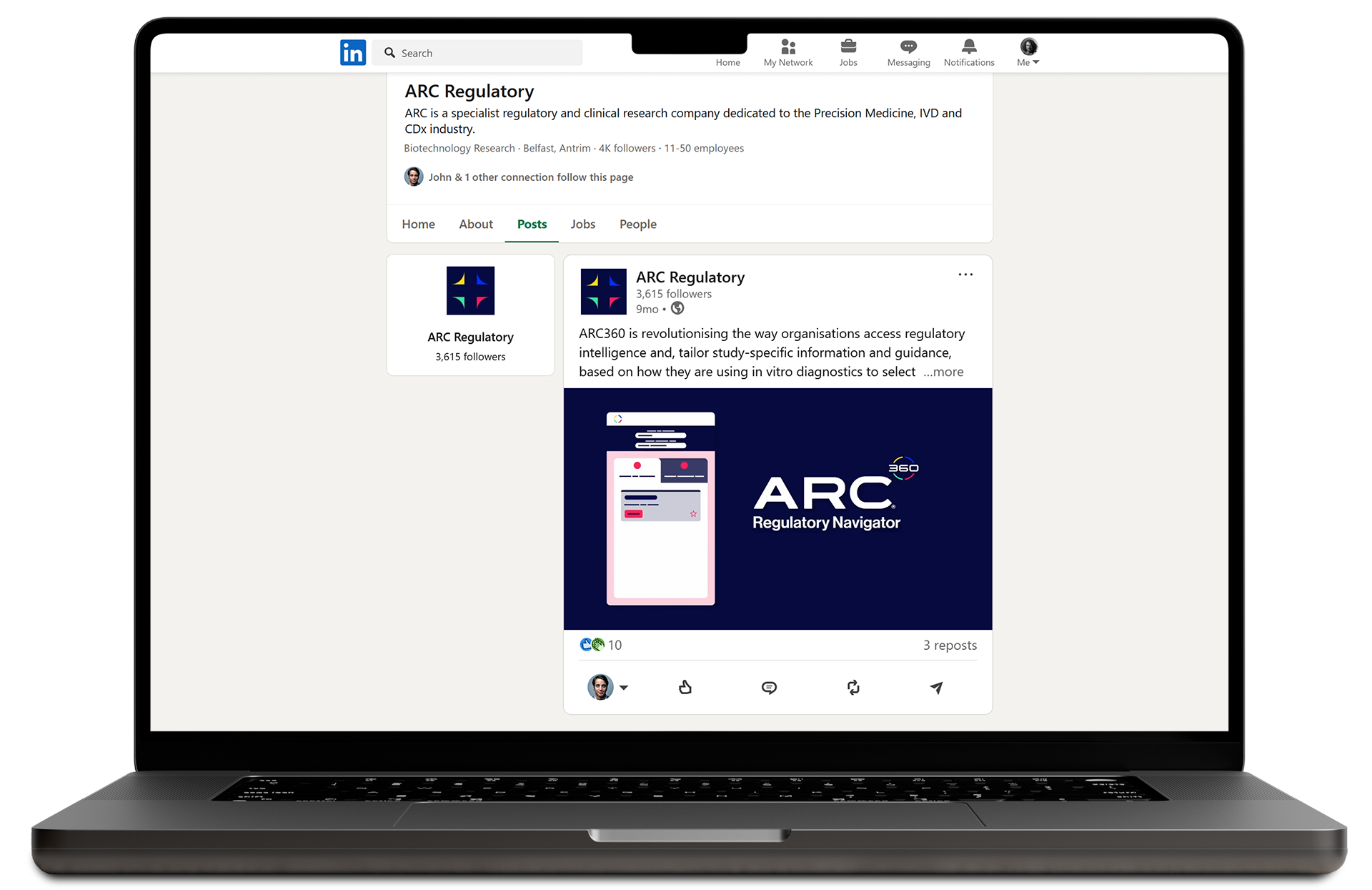
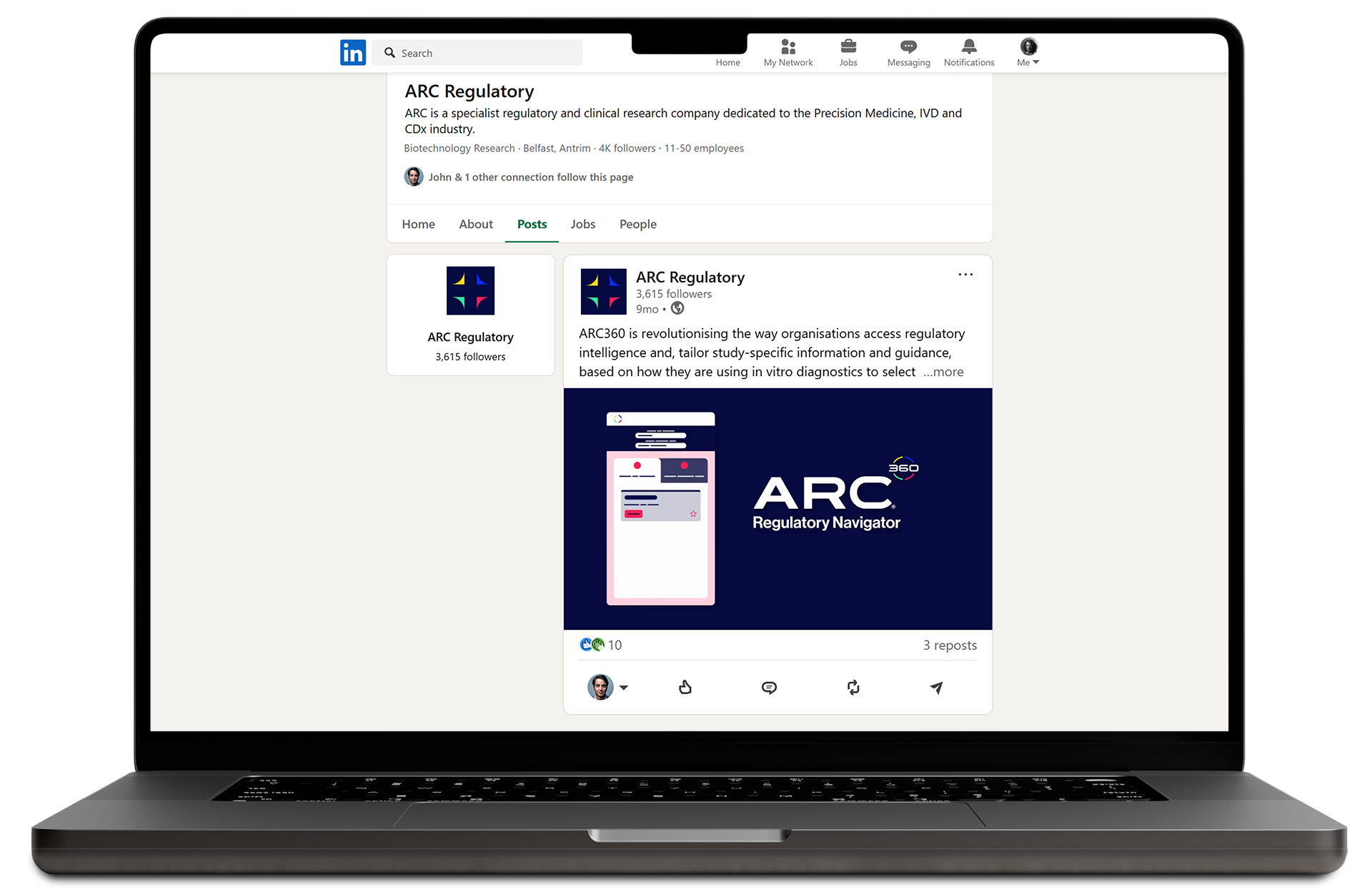
The video was uploaded to ARC’s YouTube channel. It has been used on several platforms, including their website and on LinkedIn, where it serves as a clear and to-the-point overview of the ARC360 platform.
Copyright © 2025 Carl Strümpfer. All rights reserved.